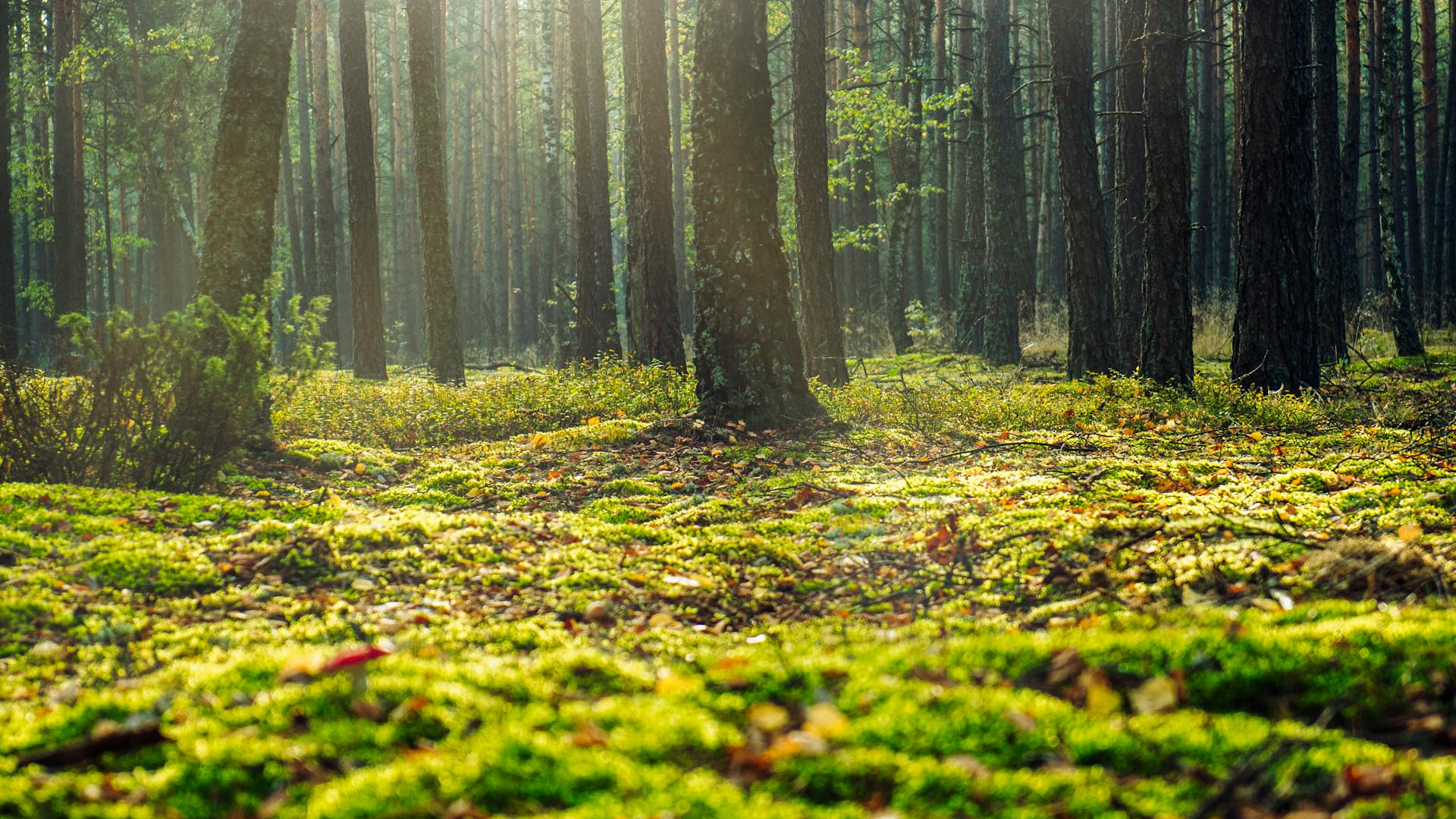
In 2026, forest investment in Latvia remains relevant for buyers seeking long-term land value, timber-related upside, and exposure to a well-established forestry economy within the EU. Latvia’s official statistics portal continues to track forestry as a major national sector, including felling, regeneration, and wood-product output, while wood-product statistics were updated through 2024 by the Ministry of Agriculture.
A key 2026 trend is that forest buying has become more selective. Investors are paying closer attention to stand quality, species mix, age structure, access roads, boundaries, and management potential rather than simply buying hectares. That matters because the sector has faced both price volatility and policy pressure: a 2025 industry presentation citing Latvian official data noted that roundwood prices had been volatile, regeneration and tending costs had risen, and new five-year felling quotas from 2025 reduced maximum allowable felling by about 9.5% versus the prior period.
That same environment also affects the sale side of the market. Selling forest property in 2026 is no longer just about total area; buyers increasingly value clear documentation, practical harvesting potential, and predictable management outcomes. A property with defined boundaries, legal clarity, good access, and a sensible forest-management plan is likely to be more marketable than land with unclear operational limitations. Latvia’s State Audit Office also highlighted in 2025 that better forest governance and management practices materially affect economic outcomes, which supports the broader point that management quality matters to value.
Another important trend is that forest ownership is increasingly viewed as a managed investment, not just passive landholding. In practice, that means value can come from several channels: biological growth of the forest, selective harvesting, replanting and tending, land appreciation, and, in some cases, improved marketability through better management. The same 2025 sector presentation emphasized rising regeneration and tending costs, which means investors in 2026 need to think carefully about net returns after management expenses rather than focusing only on gross timber potential.
At the sector level, Latvia’s forestry economy still has scale, but the market backdrop is mixed rather than one-directional. In February 2026, reporting based on Ministry of Agriculture data stated that Latvia’s forest-sector exports fell 1.6% year over year in 2025 to €3.387 billion, with wood-product exports still dominating the sector. That suggests the market remains substantial, but investors should not assume a uniformly strong pricing environment across all timber categories.
For foreign buyers, due diligence remains essential before buying or selling a forest property in Latvia. Investors should review ownership status, cadastral boundaries, access, felling restrictions, management history, regeneration obligations, and environmental limitations. In 2026, the strongest forest investments are usually those where the property can be understood not only as land, but as a long-term managed asset with measurable biological, legal, and commercial characteristics. With the right local guidance, Latvian forest property can still be a credible long-term investment for buyers focused on patience, management discipline, and realistic return expectations.