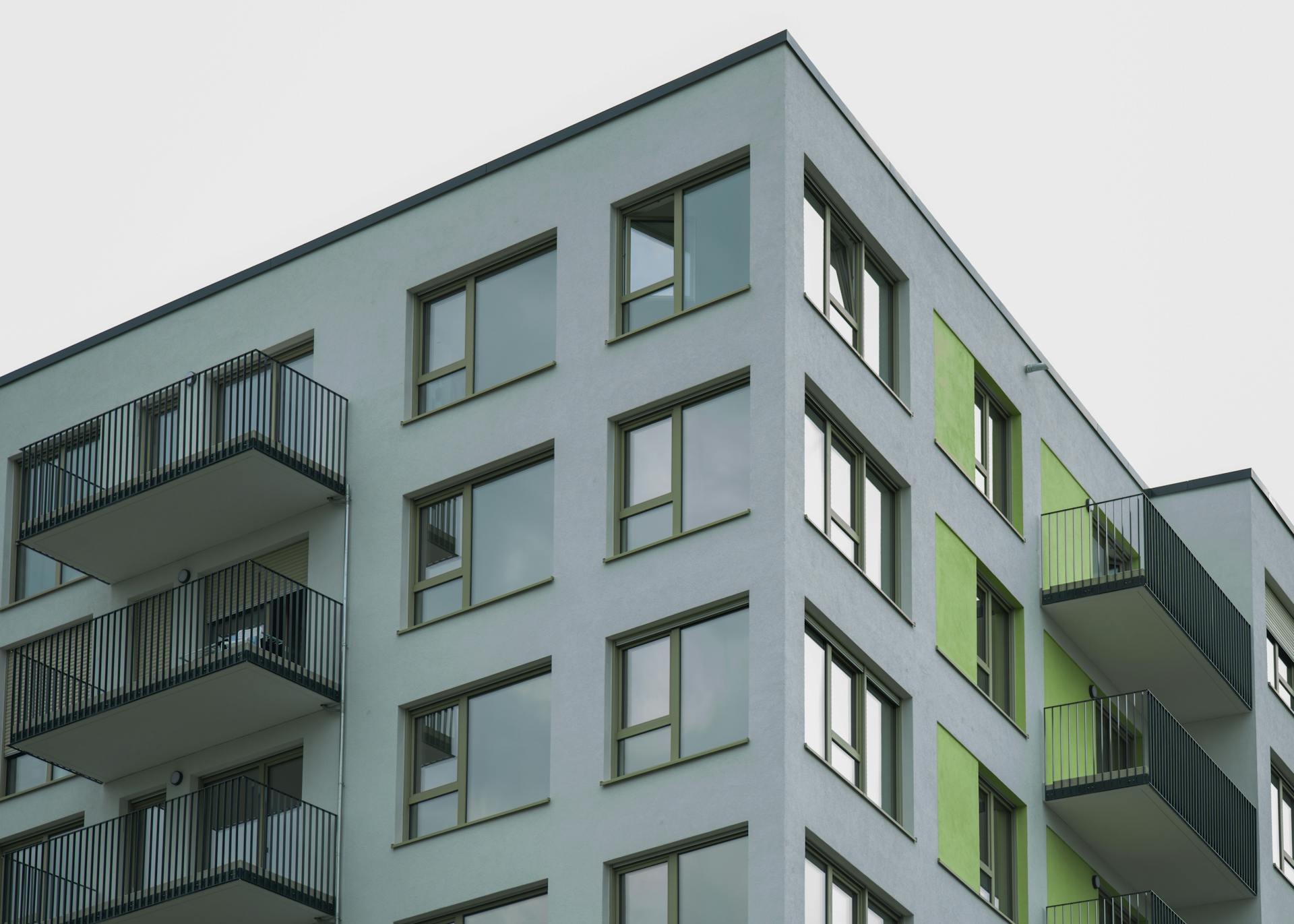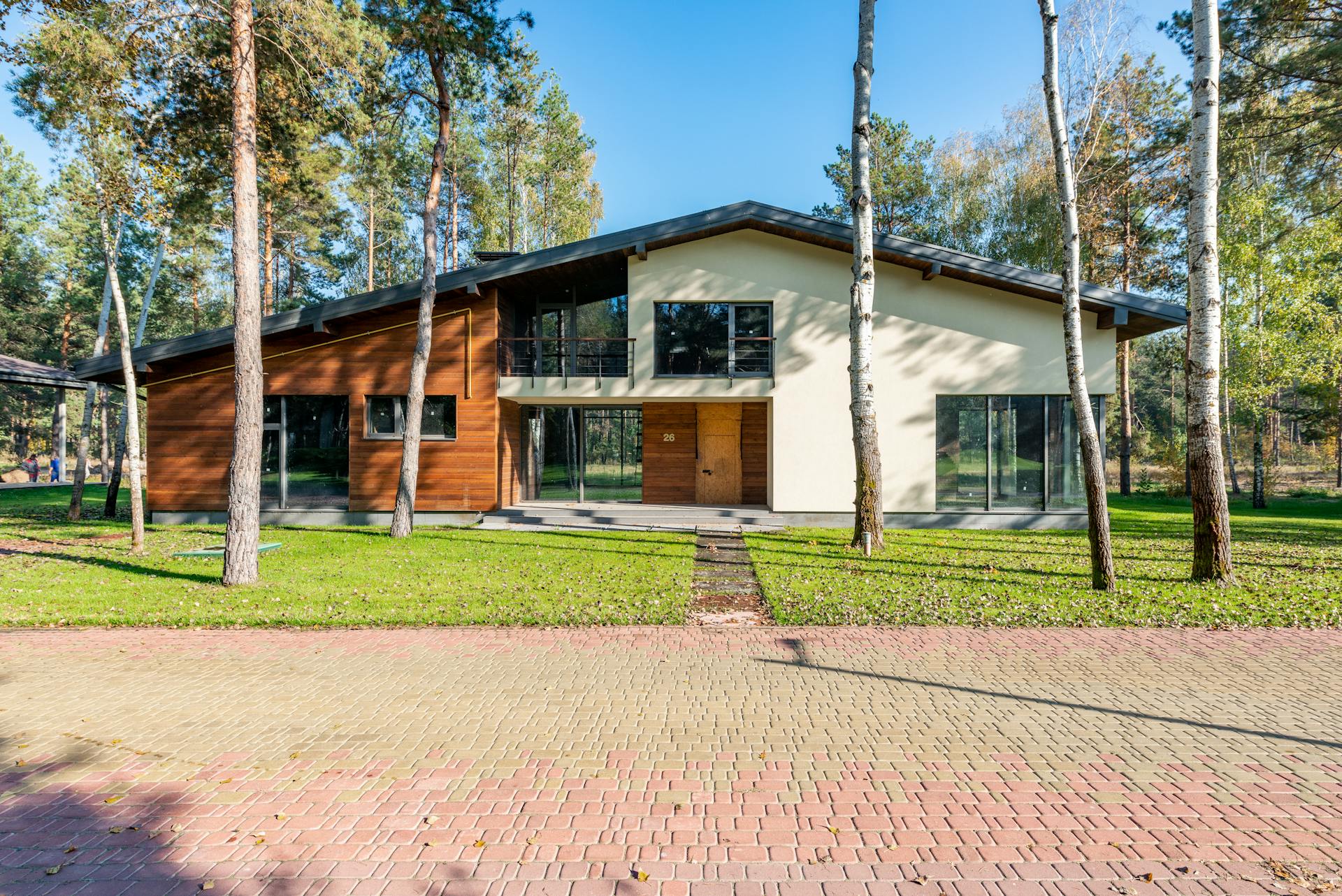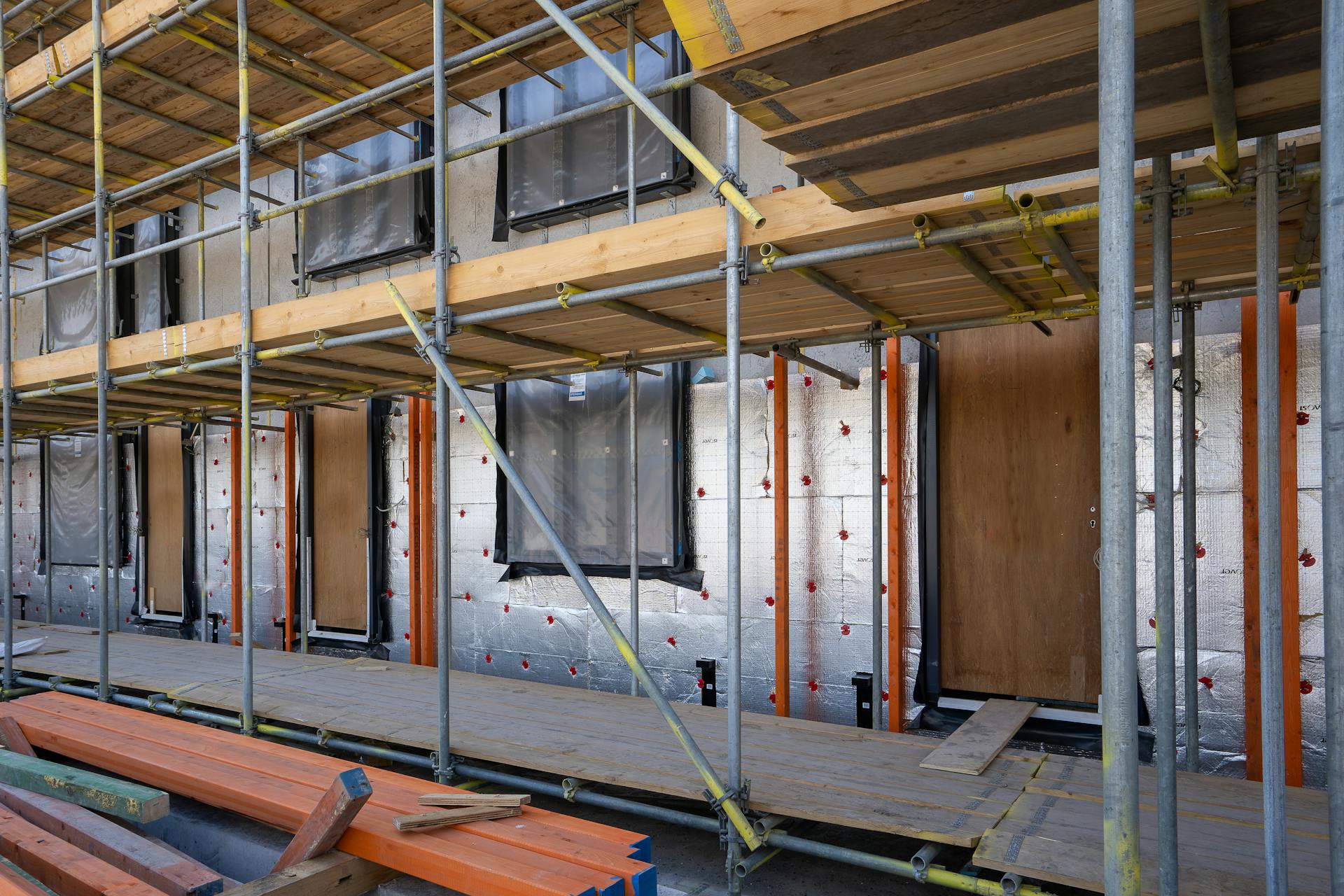
Private house construction in Latvia in 2026 is shaped by a combination of more selective buyer demand, regulatory simplification, and continued focus on build quality, energy efficiency, and long-term usability.
One of the most important trends in 2026 is greater emphasis on execution quality and practical project selection. Although Latvia’s construction sector showed mixed performance in 2024, the Ministry of Economics reported that building construction volumes declined while engineering construction and specialised works increased. At the same time, 4,187 building permits were issued in 2024, down 1.2% year over year, but the total permitted area increased by 11.7%, showing that the market has not stopped but has become more selective and concentrated in stronger projects.
Another major trend is simpler administrative processing. Latvia introduced changes intended to reduce bureaucracy in construction and speed up document workflows, including regulatory changes effective from July 2025 and the launch of a unified digital building registration process from January 2026. These changes are meant to reduce administrative burden, speed up handover procedures, and connect the Construction Information System, Cadastre, and Land Register more efficiently. For private house projects, that makes legal and technical coordination increasingly important, but potentially smoother than before.
In 2026, buyers and developers are also paying more attention to technical compliance and safety standards. Latvia’s Ministry of Economics noted new requirements related to electrical safety in new buildings and renovation works, including mandatory protection against current leakage. Together with broader attention to energy efficiency, utilities, and long-term operating costs, this supports a trend toward houses that are not only attractive visually, but also more future-proof in day-to-day use.
A further trend is the growing importance of location and land-bank strategy. Market reporting for late 2025 showed that residential developers in Latvia had resumed activity in the land market after a quieter phase, with multiple land deals above EUR 1 million and renewed interest in development plots. That suggests continued confidence in future residential construction, including private housing, especially in stronger areas around Riga and other desirable locations where access, infrastructure, and long-term demand are clearer.